Tires are the only part of your vehicle that touches the road, and their condition directly impacts your car’s safety, handling, and performance. Over time, tread wears down, rubber ages, and damage can occur, sometimes without obvious signs. If your tires are past their prime, you risk poor traction, longer stopping distances, and an increased chance of blowouts, especially in wet or uneven conditions.
Here’s how to check if your tires are still roadworthy or if it’s time to replace them.
Tread Depth: The First Indicator
Your tire’s tread depth is a key factor in maintaining grip, especially on wet roads. As the tread wears, your car’s ability to channel water decreases, raising the risk of hydroplaning. In most states, the legal minimum tread depth is 2/32 of an inch, but safety experts often recommend replacing tires when they reach 4/32 of an inch.
A quick way to check is the penny test: insert a penny into the tread with Lincoln’s head facing down. If you can see all of his head, your tread is too low. For even better visibility, try the quarter test instead—Washington’s head disappears at 4/32 of an inch.
Uneven or Irregular Wear Patterns
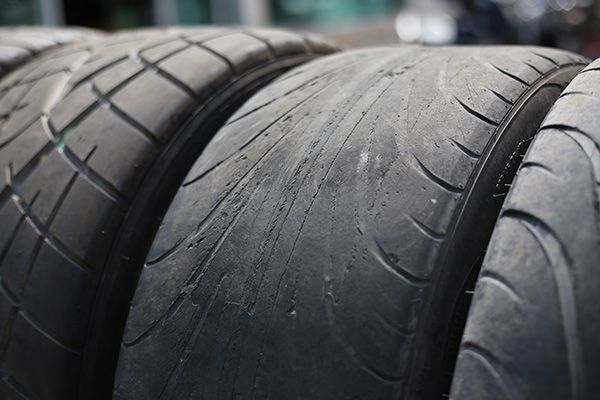
Even if your tread depth is still acceptable, uneven wear is a red flag. It can indicate problems with alignment, suspension, or tire pressure. Here are a few wear patterns to watch for:
- Center wear: Often caused by overinflation.
- Edge wear: Usually the result of underinflated tires.
- Cupping or scalloping: May point to worn shocks or struts.
- Feathering: A sign of misalignment or worn suspension bushings.
These patterns not only shorten tire life but also affect how your car handles. If your steering feels loose or the ride seems bumpier than usual, have your tires and suspension checked.
Cracks, Bulges, and Sidewall Damage
The tread isn’t the only part of the tire that wears out. Look closely at the sidewalls for cracks, bubbles, or deep cuts. These can develop from age, pothole impacts, or hitting curbs and are serious signs that a tire may be unsafe. A sidewall bubble, for example, means the inner structure of the tire has weakened. If it bursts while driving, it could lead to a sudden loss of control.
Tires with visible sidewall damage should be replaced immediately, even if the tread appears fine.
Vibration While Driving
A steady vibration in the steering wheel or seat while driving can signal tire issues, especially if it increases with speed. Causes might include a tire out of balance, a shifted belt inside the tire, or uneven tread wear. While wheel alignment or suspension could also be involved, tire problems are often the first place to check.
If you notice vibration along with any strange noises or a pulling sensation while braking, have your tires inspected right away.
Age of the Tires
Even if you don’t drive often, tires age and degrade over time. Most manufacturers recommend replacing them every five years, regardless of tread depth. Heat, sunlight, and environmental exposure can all cause rubber to harden and crack. You can find the tire’s manufacture date by checking the DOT code on the sidewall. The last four digits indicate the week and year the tire was made.
Driving on tires that are older than their safe lifespan increases the risk of failure, especially at highway speeds or in extreme temperatures.
Tire Pressure and Maintenance
Incorrect tire pressure causes premature wear and affects your car’s fuel economy and braking performance. Check your pressure monthly, and especially before long drives or when the weather changes. Most vehicles have a sticker in the door jamb listing the recommended PSI.
Consistent under- or over-inflation will damage tires over time, even if you don’t notice problems right away.
Get a Tire Safety Inspection at Accomplished Auto in Concord, NH
If you’re unsure about the condition of your tires, the team at Accomplished Auto in Concord can help. We’ll inspect tread depth, check for uneven wear, and evaluate sidewall condition so you can drive with peace of mind.
Don’t wait for a flat or blowout—schedule your tire check today and make sure your vehicle is safe and ready for the road.