Car engines are the beating heart of our vehicles, powering us on our daily journeys with precision and reliability. However, to ensure that our engines continue to perform optimally for years to come, it's essential to prioritize regular maintenance.
That's the exact reason why we will be sharing a few tips related to maintenance practices and procedures. By following these simple yet effective strategies, you can safeguard the health and longevity of your engine, saving you time, money, and headaches down the road.
1. Regular Oil Changes
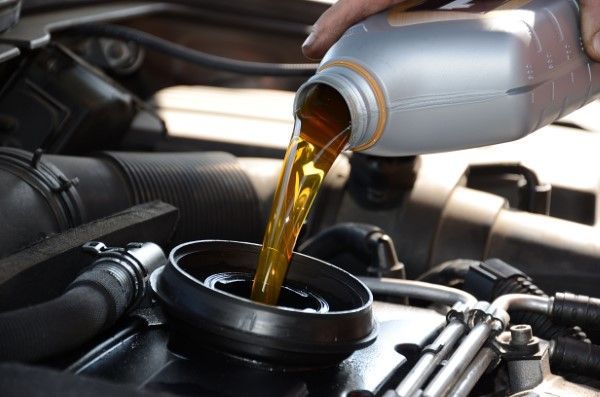
Regular oil changes are perhaps the most critical aspect of engine maintenance. Engine oil lubricates the various moving parts within the engine, reducing friction and preventing wear and tear. Over time, however, oil breaks down and becomes contaminated with dirt, debris, and engine byproducts, compromising its effectiveness.
By following the manufacturer's recommended oil change schedule, you can ensure that your engine remains adequately lubricated and protected against premature wear.
2. Monitoring Fluid Levels
In addition to engine oil, your vehicle relies on various other fluids to operate smoothly. These include coolant, transmission fluid, brake fluid, and power steering fluid, among others. Regularly checking and topping up these fluid levels is essential for maintaining optimal engine performance and preventing costly damage.
Low coolant levels, for example, can lead to overheating and engine failure, while insufficient brake fluid can compromise your vehicle's stopping power. Make it a habit to inspect your vehicle's fluid levels regularly and top them up as needed to keep your engine running smoothly.
3. Air Filter Maintenance
The air filter plays a crucial role in protecting your engine from harmful contaminants and debris. However, over time, it can become clogged with dirt and debris, restricting airflow to the engine and reducing performance. To prevent this, it's important to inspect and replace your air filter regularly.
Most manufacturers recommend replacing the air filter every 12,000 to 15,000 miles, but this may vary depending on driving conditions. By keeping your air filter clean and free of debris, you can ensure that your engine receives a steady supply of clean air for optimal combustion and performance.
4. Timely Spark Plug Replacement
Spark plugs are responsible for igniting the air-fuel mixture within the engine's cylinders, initiating the combustion process. Over time, however, spark plugs can become fouled or worn out, resulting in misfires, poor fuel efficiency, and rough idling. To prevent these issues, it's crucial to replace your spark plugs at regular intervals.
Manufacturers usually suggest changing spark plugs after 30,000 to 100,000 miles depending on the spark plug type and driving conditions. Replacing your spark plugs when necessary helps maintain efficient fuel usage and smooth engine performance.
5. Engine Belt Inspection
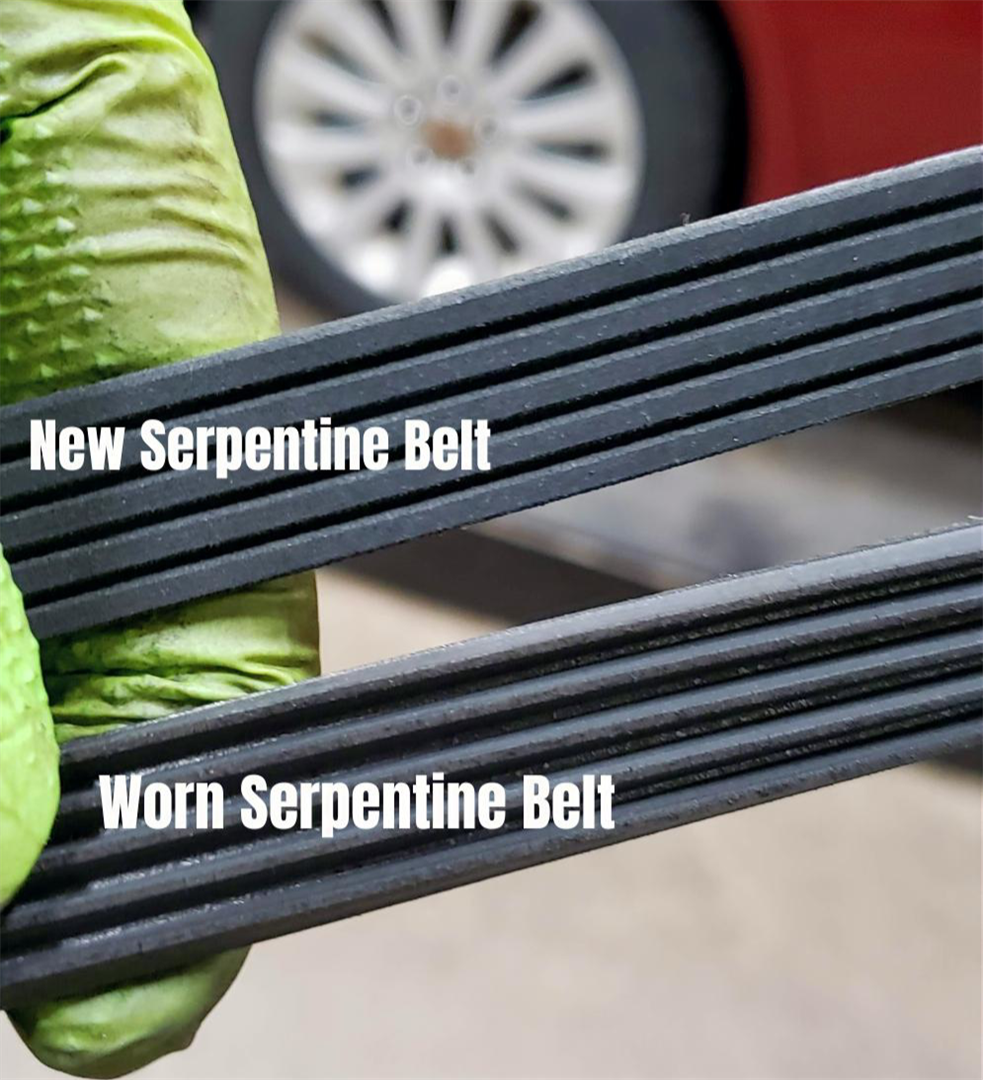
Your vehicle's engine is equipped with various belts, such as the serpentine belt and timing belt, that play critical roles in powering auxiliary components and synchronizing engine operation. Over time, these belts can become worn, cracked, or frayed, posing a risk of failure.
It is crucial to conduct regular inspections of engine belts to detect any signs of wear and address them before they cause engine damage or result in expensive repairs. If you observe any indications of damage or wear such as squealing noises, cracking, or fraying, it is highly recommended that you have a skilled mechanic replace the belts promptly.
3 Questions You Might Have (FAQs)
How often should I change my engine oil?
Change your engine oil every 5,000 to 7,500 miles or every six months as per your vehicle's owner's manual.
Why is it important to monitor fluid levels regularly?
Checking fluid levels is crucial for your vehicle's proper functioning. Low levels can cause problems and even hazards.
What are the signs that my spark plugs need replacing?
If you experience rough idling, misfires, reduced fuel efficiency, or difficulty starting your vehicle, it could indicate that your spark plugs need replacing. Get them inspected and replaced as needed.
For all of your engine maintenance and professional care, contact us at Accomplished Auto! We are the local solution to major repairs and excellent care services!