
Winter driving comes with its own set of challenges, and road salt is one of them. While it’s necessary for keeping icy roads safer, it can wreak havoc on your car if you’re not careful. Road salt is highly corrosive, and when left unchecked, it can lead to rust and other damage over time. So, how can you protect your car during the salt-covered months? Here’s everything you need to know to keep your ride in great shape, even in the toughest winter conditions.
The Impact of Road Salt
Road salt plays a crucial role in preventing accidents on icy roads. It lowers the freezing point of water, making it harder for ice to form. However, this chemical solution, often made of sodium chloride, can cause problems for your vehicle.
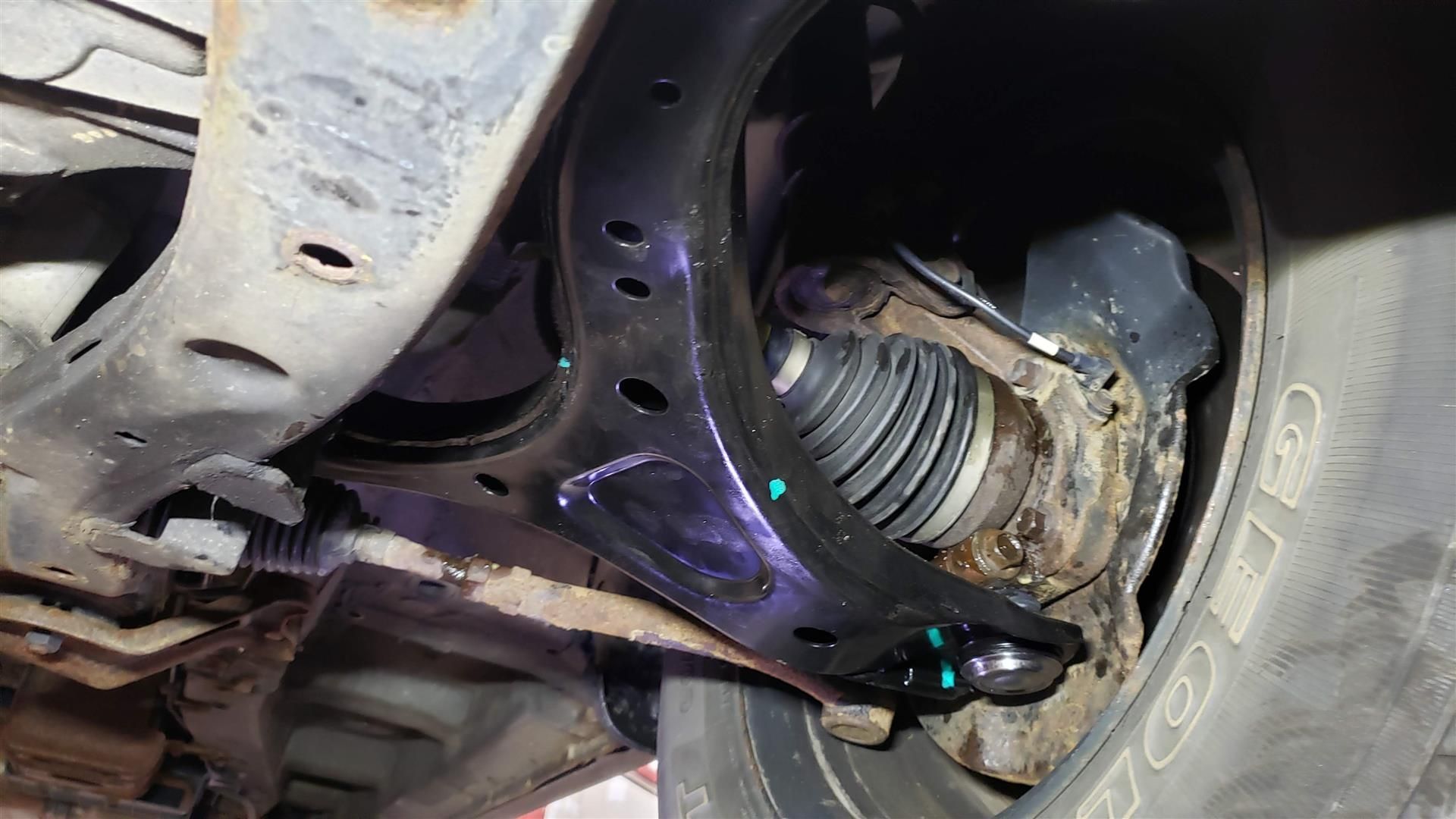
When salt mixes with water, it creates a highly corrosive solution that can cling to your car's undercarriage, frame, and wheel wells. Over time, this leads to rust, weakening the structure of your vehicle and potentially affecting critical components like brakes and exhaust systems.
Start with a Protective Coating
A protective barrier is one of the best ways to shield your car from road salt. Waxing your car before winter adds a layer of protection to the paint, preventing salt from sticking. Some drivers even opt for ceramic coatings, which provide long-lasting protection and make it easier to wash away grime.
For extra protection, consider applying an undercarriage sealant. This specialized treatment coats the vulnerable underside of your car, where salt buildup is most likely to occur.
Keep Your Car Clean
Washing your car regularly during winter is crucial for removing salt buildup. A weekly wash can make a big difference, especially after driving through slushy or salted roads. Focus on high-pressure washing, particularly in areas prone to salt accumulation, such as the undercarriage and wheel wells.
While washing, avoid overlooking the smaller crevices. Door frames, trunk seals, and wheel rims are all places where salt can sneak in and cause damage. Investing in a car wash with an undercarriage spray or doing it yourself at home can prevent rust from taking hold.
Inspect and Maintain Vulnerable Areas
Your car’s undercarriage, suspension system, and brake lines are the most vulnerable to salt damage. Regular inspections during winter can catch early signs of rust or corrosion before they become severe. Look for areas where paint has chipped or where metal is exposed—these are prime spots for rust to form.
Pay special attention to your wheel wells. Adding splash guards or mud flaps can act as a barrier, preventing salt and debris from getting kicked up onto your car’s body and underside.
Protect Tires and Brakes
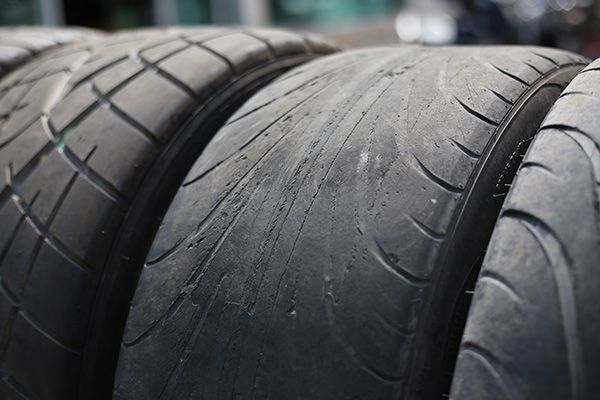
Salt doesn’t just impact your car’s body—it can also harm tires and brakes. Make sure your tires are properly inflated and have adequate tread depth to handle winter conditions. Adding tire protectants can also keep rubber from drying out, even in freezing temperatures.
For brakes, rinsing off salt is essential. Salt residue can reduce brake effectiveness over time, leading to longer stopping distances. Keep an eye out for any unusual noises or reduced responsiveness, as these could signal salt-related brake issues.
Take Preventative Measures
If you’re driving in a particularly snowy or salty area, rinsing off your car after every trip may seem excessive, but it can make a huge difference. Some drivers even opt for installing sacrificial anodes on their vehicles. These metal rods attract corrosion, protecting the rest of your car’s metal components.
Another tip is to park in a garage or covered space whenever possible. Freezing and thawing cycles can exacerbate salt damage, so keeping your car in a temperature-controlled environment minimizes exposure.
Protect your car from the harsh effects of winter with expert care from Accomplished Auto. Book your inspection or undercarriage treatment today and drive with peace of mind!